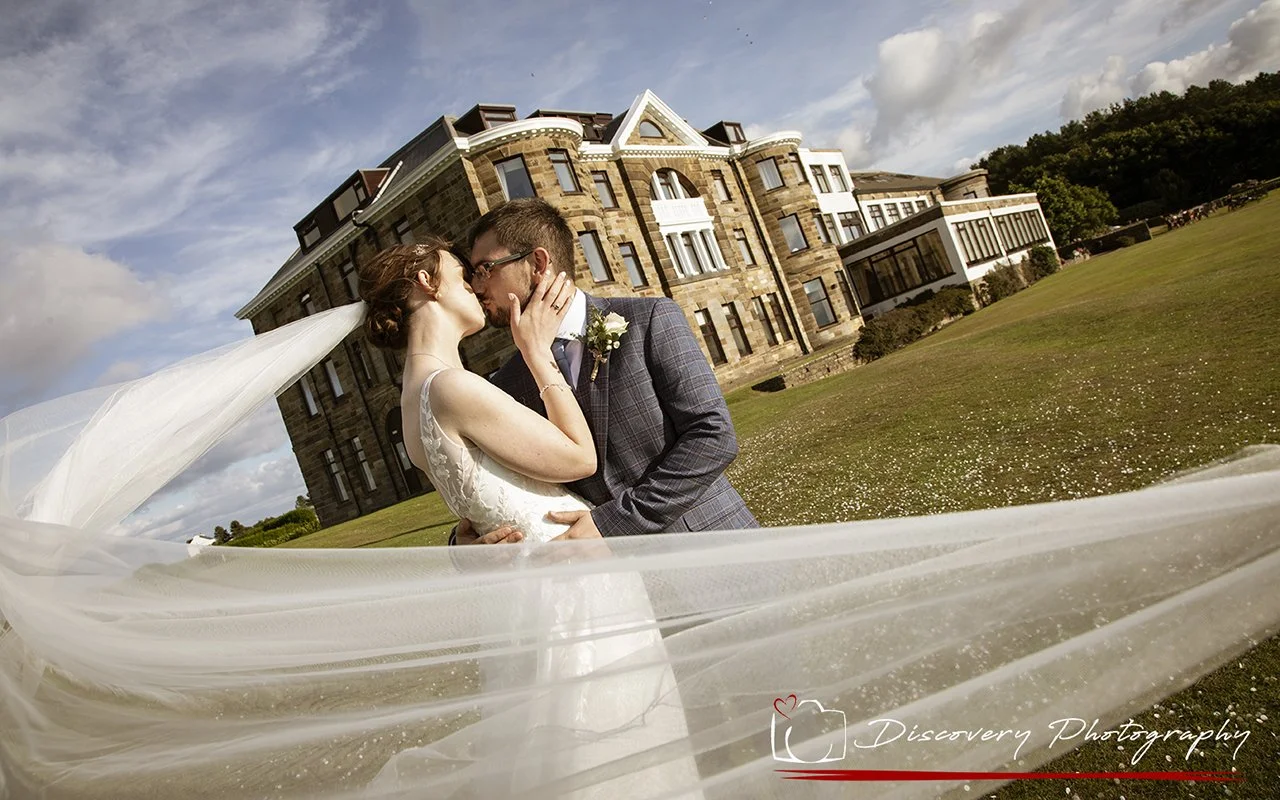

Should You Ask a Friend or Family Member to Photograph Your Wedding?
Weddings aren't cheap, and with the cost of pretty much everything having increased over the last few years, it's completely understandable that couples are looking carefully at where they can save money. There are dozens of things to pay for, some of them considerably more exciting than others, and eventually most couples have to decide what's important to them and where they're prepared to compromise.
Photography will inevitably be one of those decisions for some people. Perhaps you've got a friend who's really interested in photography, your uncle has a good camera, or somebody you know has offered to photograph your wedding as a present. If they're offering to do something for free that would otherwise cost hundreds or potentially considerably more, of course it's tempting.
And I'm certainly not going to tell you that asking a friend or family member to photograph your wedding is always a terrible idea, because it isn't.
The question I'd ask instead is slightly different: how important are your wedding photographs to you, and how comfortable are you with the risk if something doesn't go according to plan?
Being a good photographer and photographing weddings aren't quite the same thing
Someone can be an extremely capable photographer without having much experience of weddings. They might take beautiful landscapes, photograph wildlife, produce fantastic portraits or understand their camera inside out, but a wedding presents a very different challenge because so much of it happens only once.
There are parts of a wedding day where you simply don't get another attempt. The rings aren't going back on because somebody missed the photograph. You can't really ask everyone to throw the confetti again because the camera wasn't ready, and asking the registrar whether the couple can have another go at the first kiss probably isn't going to go particularly well either. 😂
Experience of weddings teaches you much more than where the buttons are on a camera. After photographing them for 18 years, I'm constantly watching what's happening and what's likely to happen next. I'm not only looking at the obvious person in front of me; I'm watching parents, grandparents, children and guests because sometimes the photograph that tells the story isn't actually where everybody else is looking.
A lot of that happens instinctively after doing it for long enough. You learn when something is developing, when you need to move, when you need to stay exactly where you are and when interfering would actually spoil the moment you're trying to photograph.
That's difficult to replace simply by owning a better camera.
It's also about what happens when something goes wrong
One of the less exciting parts of professional wedding photography is preparing for things that hopefully never happen. Nobody books a photographer because they're excited by backup equipment, batteries, memory cards, insurance or pre-wedding checks, but all of those things become rather important if something does go wrong.
Many years ago, I knew a photographer who agreed to photograph a family wedding. He photographed the ceremony only to discover afterwards that there wasn't a memory card in the camera. However good those photographs might have been, they simply didn't exist, and there was obviously no way of going back and photographing the ceremony again.
I don't tell that story because I think every friend with a camera is going to make the same mistake, and I'm certainly not suggesting professionals are incapable of making mistakes either. We're human. What it demonstrates rather well is why professional photographers develop routines and safeguards designed to remove as many opportunities for something to go wrong as possible.
My own cameras are set so that they won't allow me to take photographs without a memory card installed, and preparing my equipment and making sure I have freshly formatted cards with sufficient capacity for the wedding I'm photographing is part of my routine before I leave. There are other checks and backups behind the scenes too, but you don't need an essay on everything I do before putting my cameras in the van. 😂 The important bit is that preparation is part of the job.
The photographs are what you eventually see, but there's a considerable amount happening behind the scenes to make sure I can actually produce them.
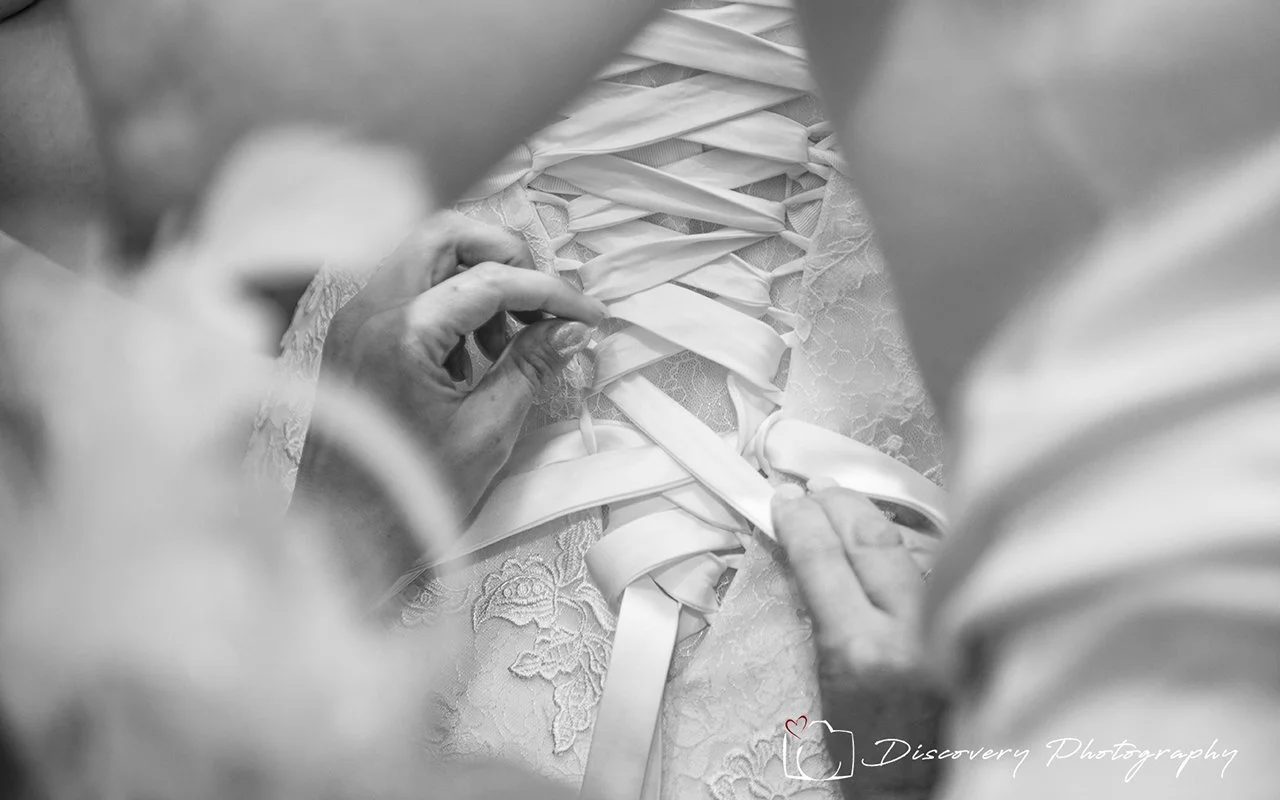
A wedding doesn't stop because a camera does
Equipment can fail. It doesn't matter how much it cost, what name is written on the front or how carefully somebody looks after it. Batteries can die, cards can develop faults, cameras can misbehave and flashes can decide they've had enough of life at precisely the wrong moment.
The important distinction isn't pretending those things can't happen to a professional photographer. It's being prepared for the possibility that they might.
When I'm responsible for somebody's wedding photography, I'm approaching it as exactly that: a responsibility. Professional equipment, appropriate backups and established working practices are part of taking that responsibility seriously.
A wedding won't wait while somebody works out why their camera has stopped doing what it was doing five minutes ago.
There's another person to think about too — your friend
This is something I think gets overlooked surprisingly often. If you ask a friend or relative to photograph your wedding properly, you're effectively asking them to work at your wedding rather than simply attend it.
They might still have a fantastic day, but they'll experience it differently from your other guests. While everybody else is watching the ceremony, they're thinking about where they need to stand. While people are enjoying drinks afterwards, they're looking for photographs. When the speeches begin, they're watching reactions as well as whoever is speaking, and when everybody else relaxes they're still responsible for recording what's happening.
Wedding photography isn't simply turning up for a few hours with a camera around your neck and pressing the button occasionally. If somebody is genuinely going to photograph the wedding properly, you're asking quite a lot of them.
That's not necessarily a reason not to do it, but it is worth considering before accepting a generous offer from somebody who might otherwise have spent the day celebrating with you.
Free wedding photography can still be the right decision
There are absolutely situations where asking somebody you know to photograph your wedding might make perfect sense.
If you're having a very small, informal wedding, photography isn't particularly important to you and you'd genuinely be happy with whatever photographs you end up with, paying a professional photographer might simply not be a priority. Weddings should reflect what matters to the people getting married rather than what the wedding industry tells them they're supposed to buy.
Likewise, there's a world of difference between asking somebody who happens to own a nice camera and having a friend who is themselves an experienced wedding photographer. The fact that somebody isn't charging you doesn't automatically mean they aren't capable of doing the job.
What I'd be much more cautious about is saying that your wedding photographs are incredibly important to you, that you want photographs you'll keep for the rest of your life, and then choosing somebody purely because they're free.
Those two things don't sit particularly comfortably together.
Sometimes you don't know what you've lost until afterwards
Years ago, I spoke to a bride about photographing her wedding, but ultimately she decided to have a family member photograph it instead because he had offered to do it for free. That's completely understandable and it was her decision to make.
After the wedding she contacted me again because she wasn't happy with the photographs and wanted to know whether I could do something with them. Unfortunately, there wasn't a magic button I could press to turn the photographs she'd received into the wedding photography she'd originally hoped for, and they weren't my photographs or copyright to simply start working on anyway.
She told me afterwards that she wished she'd booked me.
I've always remembered that conversation, not because somebody chose another option instead of me — that happens in business every day — but because by the time she realised how important the photographs were to her, the wedding had already happened.
You can change a wedding album. You can order different prints. You can even have another photoshoot wearing your wedding clothes if you really want to. What you can't recreate is everybody being together on that particular day and all the completely unscripted things that happened between them.
That's the part that disappears.
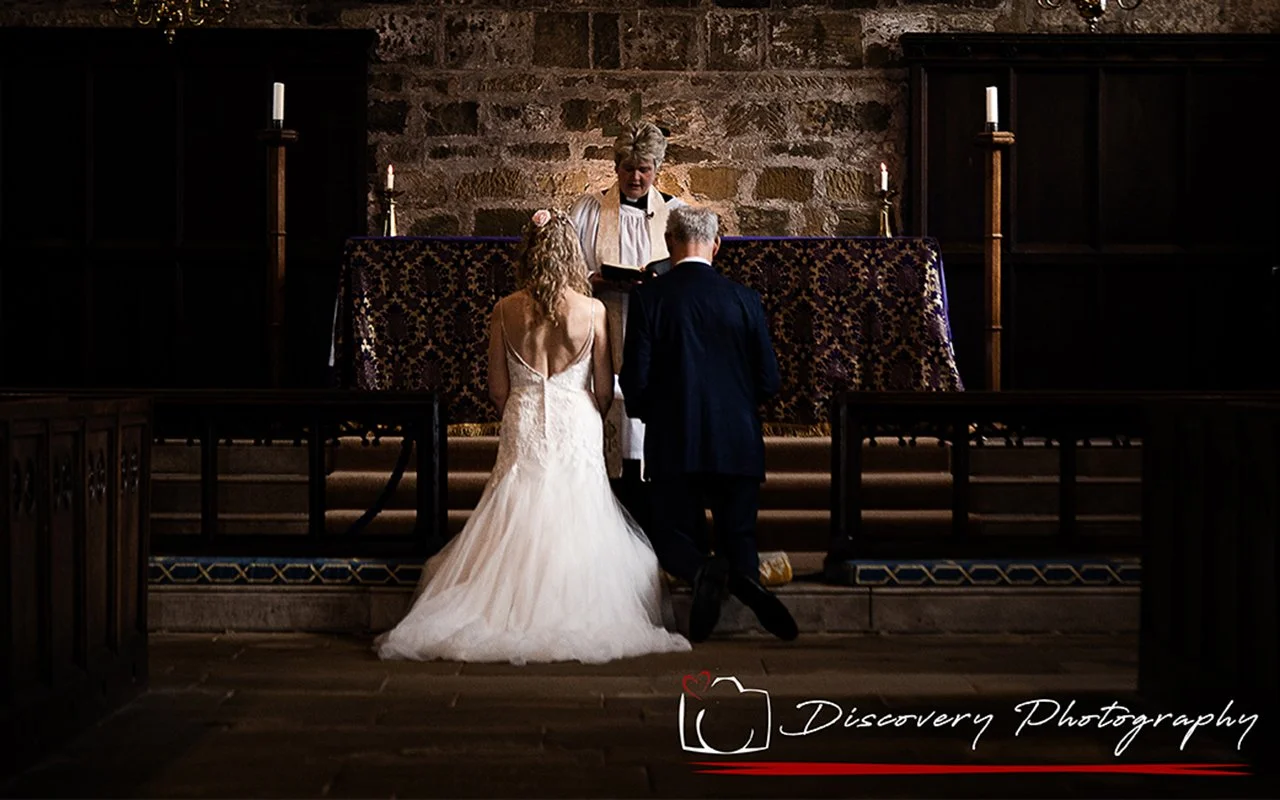
What are you actually paying a professional wedding photographer for?
It's easy to look at wedding photography from the outside and see somebody arriving with expensive cameras, taking photographs for a few hours and then going home. If that were genuinely the whole job, I'd completely understand why people looked at professional prices and wondered what on earth they were paying for.
What you're actually paying for is everything surrounding those photographs as well. You're paying for experience of weddings and the ability to anticipate moments rather than react after they've happened. You're paying for preparation, appropriate professional equipment and backups, insurance, editing, the work involved before and after the wedding and, perhaps most importantly, somebody accepting professional responsibility for recording something you can't repeat.
That doesn't mean a professional photographer can guarantee that absolutely nothing will ever go wrong. Nobody can honestly promise that. What experience does allow us to do is anticipate many of the things that could go wrong and have systems in place to reduce those risks or deal with them if they happen.
A lot of what you're paying for is something you hopefully never notice.
So should you let a friend photograph your wedding?
If somebody you trust has offered to photograph your wedding, I wouldn't automatically tell you not to accept. I'd simply make sure you're making the decision based on more than the fact that it's free.
Have an honest conversation about what you expect, what experience they have, whether they understand the responsibility they're taking on and what happens if something goes wrong. Most importantly, ask yourself how you would genuinely feel if the photographs weren't what you'd hoped for.
If your answer is that you'd be disappointed but ultimately wouldn't be particularly bothered, then perhaps you've found an entirely sensible place to save some money.
If your answer is that you'd be devastated, that's probably worth listening to.
There are plenty of areas of a wedding where couples can decide to spend more, spend less or do something themselves, and I'm never going to pretend photography has to be everybody's number-one priority simply because it's my job. What matters is understanding the decision you're making rather than discovering the consequences afterwards.
A friend with a camera might produce some fantastic photographs and cost you absolutely nothing. A professional wedding photographer costs considerably more.
The difference you're paying for isn't simply the camera. It's the experience, preparation and responsibility that comes with the person behind it.
To book or to check availability - Call | Text | WhatsApp - 07739121743 | Email