

How Many Hours of Wedding Photography Do You Really Need?
One of the questions I'm asked fairly regularly is how many hours of wedding photography somebody actually needs, and there isn't really a standard answer because there isn't such a thing as a standard wedding. A small afternoon ceremony at a registry office with twenty guests is completely different from a wedding where preparations start first thing in the morning and everybody is still on the dance floor late into the evening, so it doesn't make much sense to assume they both need exactly the same photography coverage.
I've photographed weddings for 18 years now and, if anything, they've become more varied rather than less. Some couples want the entire story photographed from getting ready through to the evening celebrations, while others really aren't interested in having a photographer around all day and would much rather concentrate the coverage around the ceremony and the few hours afterwards. Neither is right or wrong; they're simply different weddings.
That's why I think the better question isn't really how many hours of wedding photography do I need? It's which parts of my wedding would I genuinely be disappointed not to have photographs of afterwards? Once you know the answer to that, choosing the right amount of coverage becomes considerably easier.
Think about your wedding before you think about the package
It's very easy to look at wedding photography packages and start with the number of hours, particularly when you're comparing prices, but I'd actually do it the other way around. Think about your wedding from beginning to end and decide which parts matter to you photographically.
For some couples, getting ready in the morning is a really important part of the story because parents, bridesmaids, groomsmen or children are there and there's a lot happening before anybody even reaches the ceremony. Other couples couldn't care less about having that part photographed and would much rather I arrived shortly before they get married. The same applies at the other end of the day. Some people absolutely want the speeches, cake cutting, first dance and whatever questionable dancing follows it, while others are perfectly happy for the photography to finish much earlier.
Knowing that beforehand is much more useful than deciding you want five hours because five sounds about right and then discovering you've planned eight hours' worth of photographs.
When three hours of wedding photography can work really well
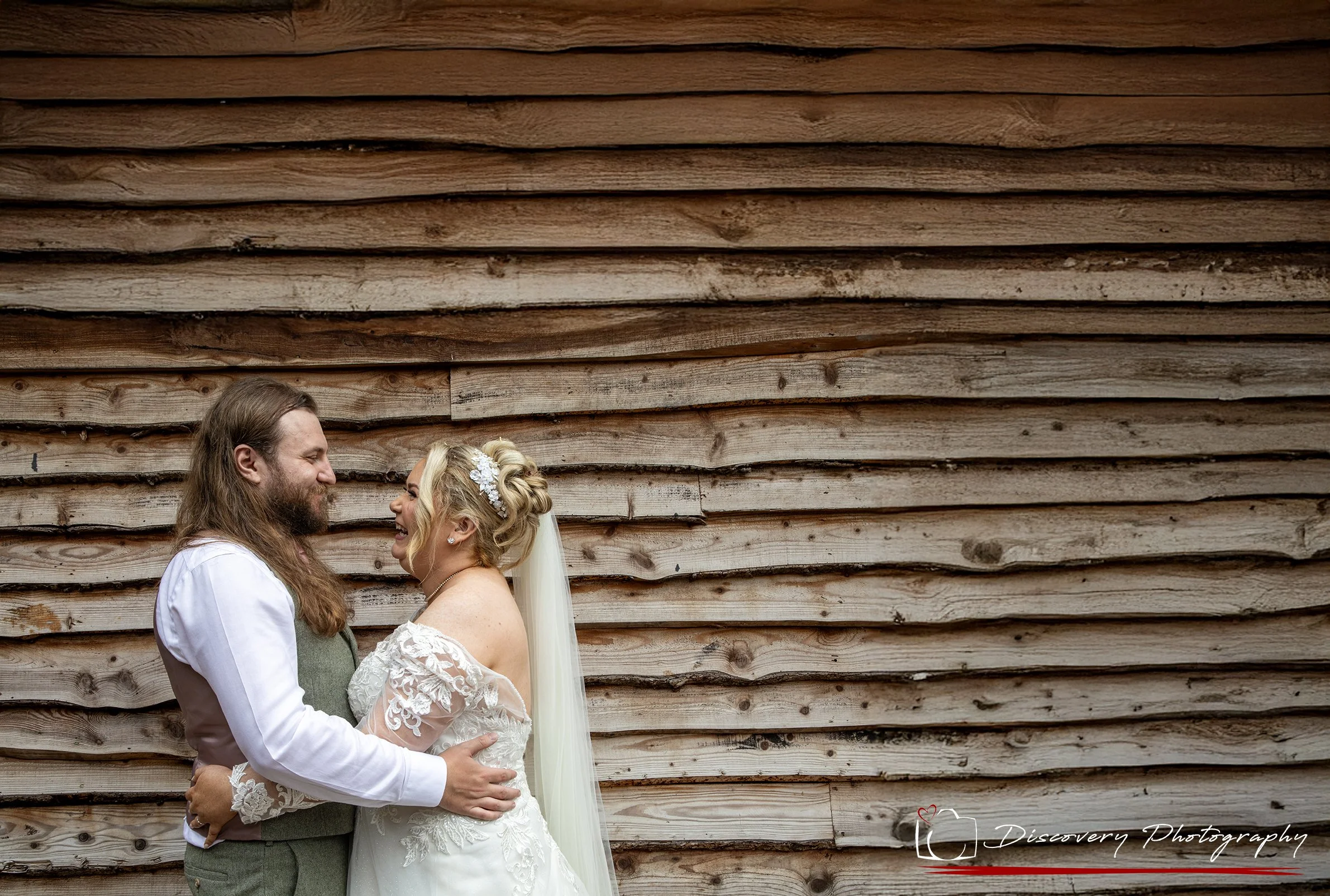
Three hours can be plenty of photography for the right wedding, particularly for smaller ceremonies and registry office weddings where everything is happening fairly close together. If you're getting married in the afternoon and mainly want the ceremony, the congratulations afterwards, family photographs, some relaxed photographs of the two of you and a little of what happens afterwards, there's no reason that has to turn into an all-day photography booking.
I've photographed plenty of shorter weddings over the years and my approach doesn't suddenly change because I'm only there for a few hours. I'm still watching for the nervous looks before the ceremony begins, somebody trying desperately not to cry, somebody else failing miserably at not crying, the reactions as you walk back down the aisle and all the little things happening around you while you're busy concentrating on actually getting married.
The quality of the photography isn't different because you've booked shorter coverage; what changes is simply how much of the story I'm there to photograph. That's an important distinction because three hours shouldn't be thought of as trying to cram a full wedding day into a smaller package. It's about photographing three hours of your wedding properly and concentrating on what's happening during that time.
For a couple having a straightforward registry office wedding, that might be absolutely perfect. If you're hoping to include getting ready, travelling to the ceremony, the ceremony itself, reception photographs, speeches and a first dance several hours later, we're obviously going to need a bigger clock. 😂
Five hours gives the day a little more breathing room
Five hours of wedding photography opens things up considerably and can work particularly well for later weddings where preparations aren't important to the couple but they'd like more of the celebrations afterwards covered. It's one of the reasons I offer Twilight Wedding Photography alongside my longer packages, because not everybody needs or wants somebody photographing them from morning until night.
With sensible timings, a later ceremony can flow naturally into the photographs afterwards, time with family and friends and then into the reception without the photography feeling rushed. Depending on when everything happens, there may also be time for speeches, the cake or some early evening photographs, but that's where the actual wedding schedule becomes more important than simply saying you've booked five hours.
If your ceremony finishes at two and the speeches aren't happening until seven, most of the coverage has already disappeared just waiting for the next part of the day. If everything happens much closer together, those same five hours can contain an enormous amount. That's why when somebody asks me which package they need, I want to know what they're actually planning before giving them an answer.
Longer coverage isn't simply about getting more photographs
Once we move into eight hours or fuller wedding-day coverage, there's naturally much more of the story I can photograph, but the benefit isn't simply that you'll receive more images. Having more time also gives the wedding room to breathe, which is something that's very easy to overlook when you're putting a timeline together.
If we've got plenty of coverage, we don't necessarily need to start gathering everybody for photographs the second you walk out of the ceremony. You can hug people, have a drink, talk to the guests who've travelled to see you and actually enjoy what has just happened. If the light isn't particularly interesting at four o'clock but suddenly looks beautiful later in the evening, we've got the option of waiting rather than trying to manufacture something because the photography is about to finish.
That's much closer to how I like to work anyway. Your wedding shouldn't feel as though it's constantly stopping because the photographer needs something. With a sensible timeline, the photography can happen around the wedding rather than the wedding happening around the photography.

Why full-day photography still has its place
For couples who want the complete story, there's still something very different about having the whole wedding documented. The atmosphere in the morning bears almost no resemblance to the atmosphere later that evening, and there are photographs at both ends of the day that simply can't exist if I'm not there.
Getting-ready photography isn't really about photographing make-up brushes, shoes and dresses hanging from wardrobes. It's Dad walking into the room and seeing his daughter ready for the first time, bridesmaids helping each other, somebody discovering they've forgotten something important and all those slightly chaotic conversations that happen while everybody is trying to get out of the door on time.
The evening changes again once the formalities are finished and everybody properly relaxes. The first dance might be the scheduled event, but quite often the photographs I enjoy most happen around it, when friends and family are together and nobody is particularly conscious of the camera anymore. If those parts of the wedding matter to you, then naturally the photography needs to cover them.
If they don't matter to you, however, I don't see much point in convincing you that they should just so I can sell you more hours.
Your locations can make a surprisingly big difference
The geography of your wedding is another thing people don't always consider when deciding how much photography they need. A wedding where the preparations, ceremony and reception all happen at the same venue is very different from one where you're getting ready twenty minutes from the church, the church is half an hour from the reception and you've decided you'd also like to stop somewhere for photographs along the way.
There's absolutely nothing wrong with using different locations and it can give us some fantastic opportunities, but travelling between them is still part of the day and needs to be allowed for. I can move fairly quickly when I need to, but after 18 years I've still not mastered teleportation. 😂
The same applies if you've chosen somewhere away from the venue for photographs of the two of you. That can be completely worthwhile, particularly if the ceremony or reception location doesn't give us many options, but travelling there, taking the photographs and getting back again needs to exist somewhere in the timeline. Trying to squeeze half an hour's worth of photography into ten minutes doesn't suddenly make me three times faster.
Some of the best photographs happen when nothing is planned
One of the reasons I enjoy documentary wedding photography is that I don't only photograph the things written on the schedule. In fact, some of my favourite photographs from weddings happen during the periods where apparently nothing is happening at all.
You might look at the hour between your ceremony and the wedding breakfast and see an empty space in the timetable, but I see all your guests together. Children are playing, grandparents are talking, friends who haven't seen each other for years are catching up and somebody is inevitably disappearing towards the bar just as we need them for a family photograph. 😂 Meanwhile, you're moving around talking to people and experiencing a part of your wedding that will probably become a bit of a blur afterwards.
Those periods aren't necessarily dead time that can simply be removed from the photography coverage. Quite often they're where the real wedding is happening, and they're also where many of those completely unplanned photographs come from that couples end up loving afterwards.

More hours don't automatically mean better wedding photography
It's also worth making the point that booking more hours doesn't automatically guarantee better photographs. I'd much rather have three sensibly planned hours with enough opportunity to photograph what's important than eight hours where every part of the day has been squeezed together and we're constantly chasing the clock.
I've written before about why your wedding isn't a photoshoot, but great photographs still need time, and that's really what this comes down to. I don't want to spend your wedding dragging you away from everybody for photographs, and you probably don't want that either. If we've thought about the timings beforehand and allowed sensible little pockets of time where they're needed, I can generally take up less of your wedding rather than more of it.
Sometimes the photograph happens in half a second because I've seen something developing and I'm ready for it. Other times it might be worth disappearing for fifteen or twenty minutes because the light is beautiful and there's somewhere nearby that will give us something special. The important thing is having enough flexibility in the day to recognise the difference.
So how many hours of wedding photography should you book?
Rather than starting with three hours, five hours, eight hours or a full day, I'd start by imagining your finished wedding photographs. Think about where you want that story to begin and where you'd genuinely be happy for it to end.
If you're planning a small registry office wedding and mainly want the ceremony and celebrations immediately around it, shorter coverage could be exactly what you need. If you're having a later ceremony and want more of the reception photographed afterwards, something like Twilight coverage might make much more sense. If preparations are important, you've got several locations involved or you want the story to continue through the speeches and into the evening, you're naturally going to need longer.
And if you genuinely don't know, that's fine too. Tell me what you're planning, where everything is happening and which parts of the wedding matter most to you, and I'll tell you which of my wedding photography packages I think actually fits. I'd much rather somebody booked the right amount of photography for their wedding than paid me to stand around for three hours they never really wanted.
Ultimately, you're not really choosing between three hours, five hours or a full day. You're deciding how much of the story of your wedding you want me to be there to preserve, and that's a much better place to start.
To book or to check availability - Call | Text | WhatsApp - 07739121743 | Email


