
A Wedding Is a Wedding – Photographing Same-Sex Weddings Naturally
One of the things I’ve always enjoyed about photographing weddings is that no two are ever quite the same. I can go back to the same venue several times and photograph completely different weddings because ultimately it’s the people who make the day what it is. Some couples love all the traditional parts of a wedding, others keep the bits they like and get rid of the rest, and some pretty much make the whole thing up themselves. As far as I’m concerned, if that’s how you want to get married then that’s how your wedding should be.
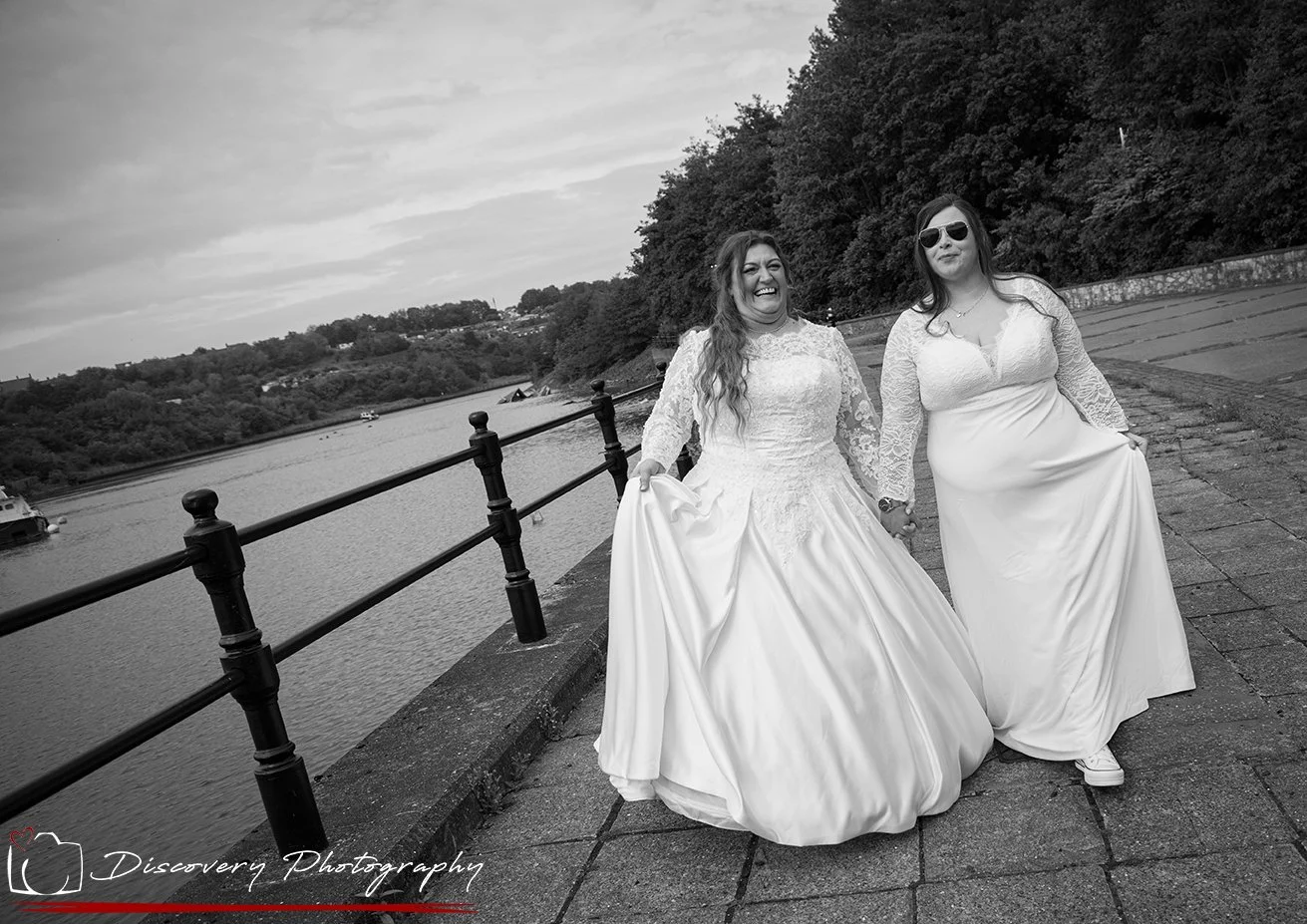
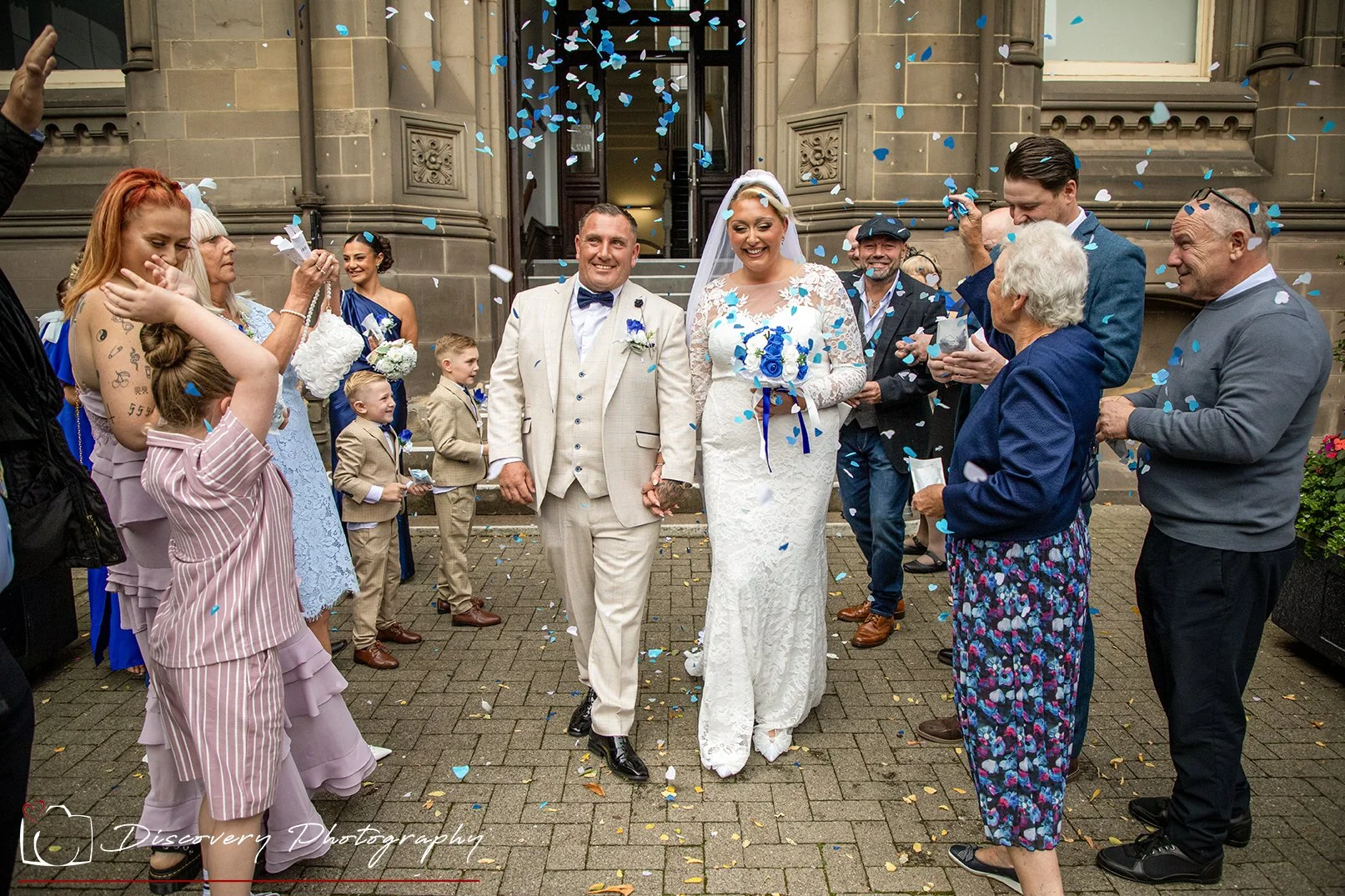
It’s exactly the same when I’m photographing a same-sex wedding. I don’t suddenly need a different way of working because I’m photographing two brides or two grooms. I’m still photographing two people getting married, surrounded by the people who matter to them, and looking for all the things I normally look for during a wedding. There will still be nerves, laughter, people getting emotional, guests doing things they probably shouldn’t, little looks between the couple and plenty happening that the two people getting married won’t necessarily see themselves.
There are obviously some differences in the way individual weddings are organised, but to be fair that applies to every wedding I photograph these days. The important thing for me is simply not to make assumptions about how somebody’s wedding is going to work.
Your Wedding Doesn’t Have to Follow the Traditional Format
For years there was a fairly predictable format to weddings. The bride got ready in one place, the groom arrived at the venue, somebody walked the bride down the aisle and everybody knew roughly what was supposed to happen next. Plenty of weddings still follow that format and there’s absolutely nothing wrong with it, but there are also plenty that don’t.
At a same-sex wedding there might be two brides getting ready separately because they don’t want to see each other before the ceremony, or they might spend the whole morning getting ready together. Two grooms might arrive separately, arrive together or decide they both want to make an entrance. One person might walk down the aisle with a parent, they might both do it, or neither of them might want that tradition at all.
Rather than deciding beforehand what somebody’s wedding is supposed to look like, I’d much rather talk to the couple and find out what they’ve actually planned. That’s one of the reasons I have a meeting with my couples before the wedding. I want to know how the day is going to work, what matters to them, whether there are any particular family circumstances I need to know about and anything else that will help me photograph the wedding properly.
It isn’t really about doing things differently for a same-sex wedding. It’s about not assuming that every wedding should follow exactly the same script.
I’m Photographing the Two of You
I wrote recently about the way I photograph couples and one of the things I said was that I can choose a location, find the light, think about the background and give somebody a little direction, but I can’t manufacture the connection between two people. That has to come from them.
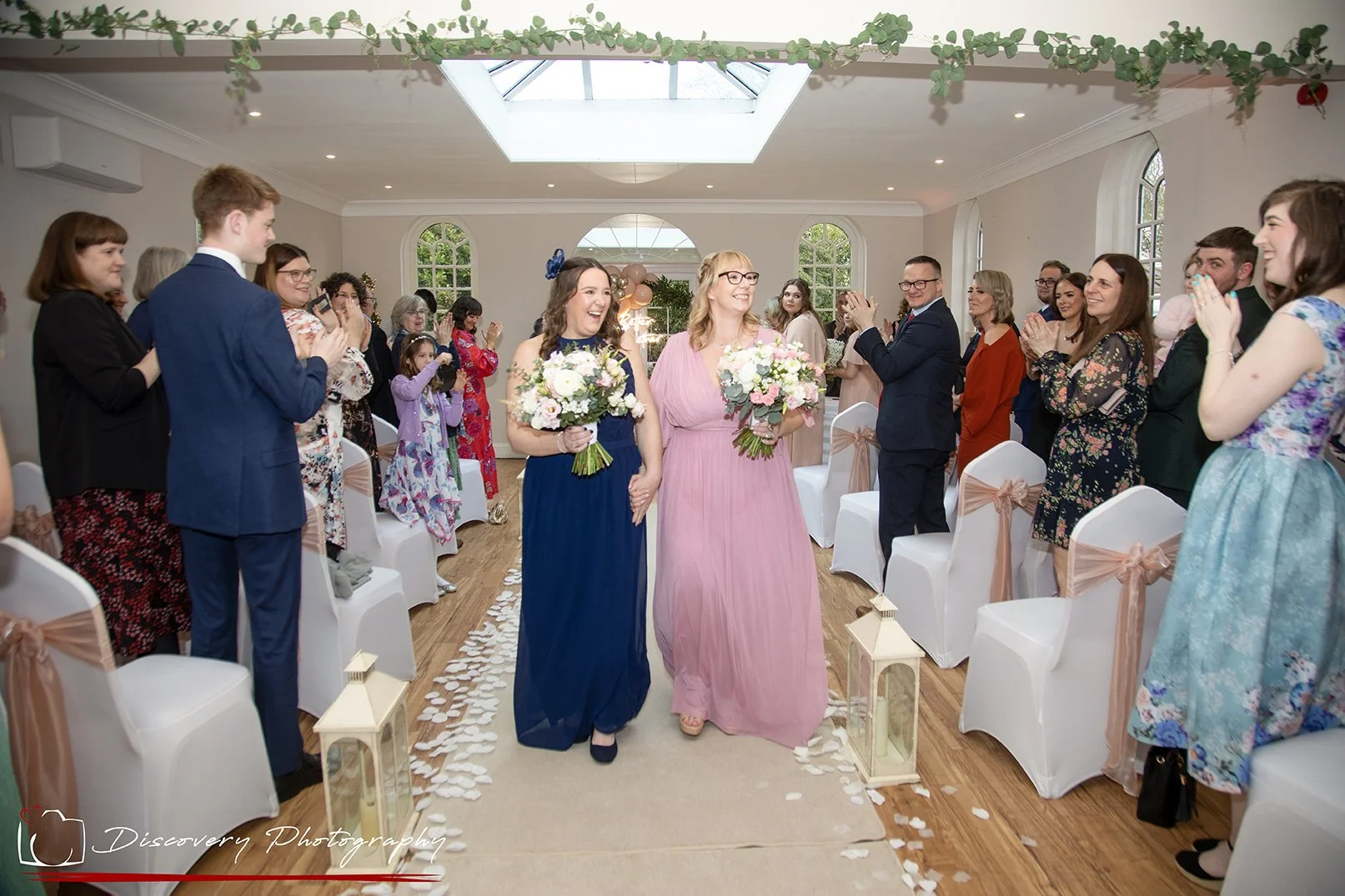
A wedding is happening because two people love each other, so show it. That’s something I say to couples because it really is as simple as that.
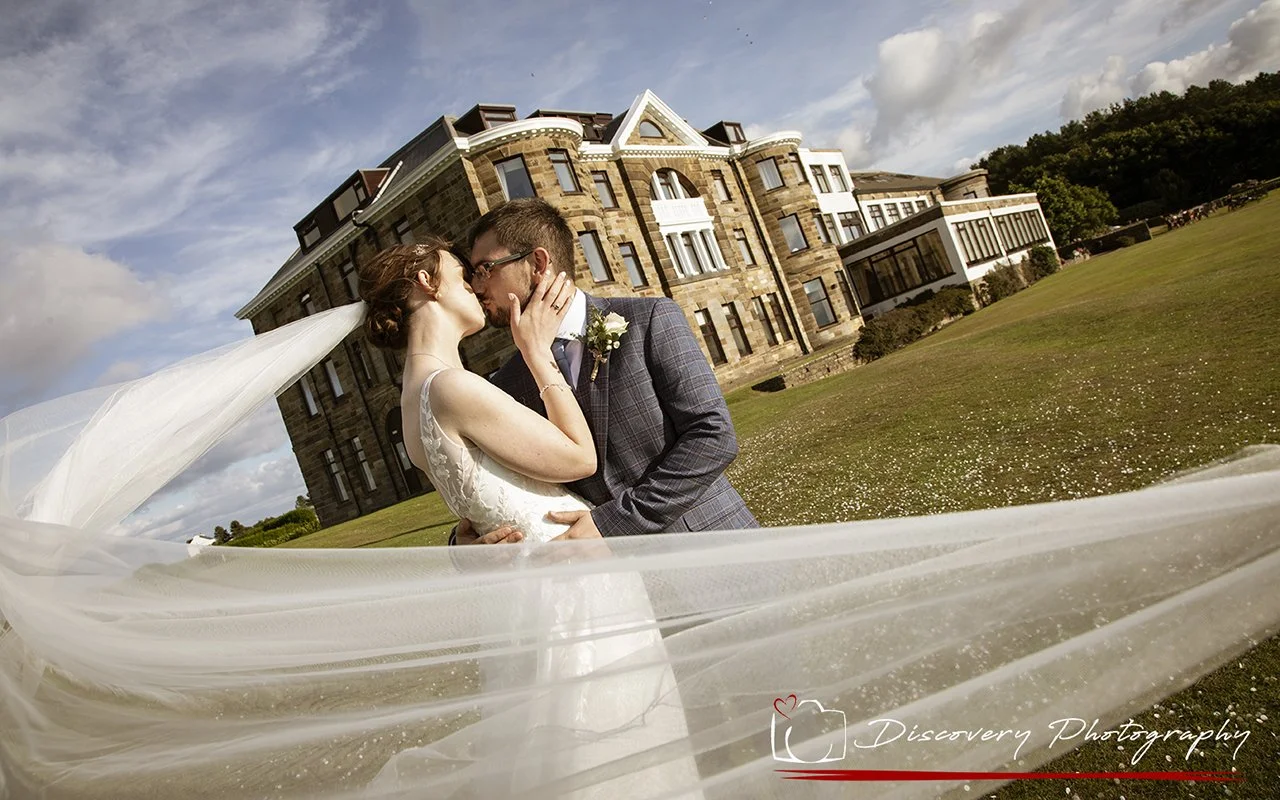
When I’m photographing the two of you together, I’m looking for the same things I’ve always looked for. It could be the way you look at each other, one of you making the other laugh, a kiss, a cuddle, somebody taking the mickey out of the other one or just a little expression between you that nobody else would even notice. Those are the things that make photographs personal because they come from your relationship rather than from a list of poses I’ve found somewhere.
I’m certainly not going to try to fit two brides or two grooms into traditional bride-and-groom roles just because that’s how wedding photographs used to be done. I want the photographs to look like the two people standing in front of me, and the easiest way of doing that is to let them actually be themselves.
Natural Wedding Photography Still Needs Some Direction
I probably say this more than anything else when talking about the way I work because natural wedding photography doesn’t mean I just turn up, hide in the corner and leave everybody to figure it out for themselves.
If we go off to take some photographs of the two of you, I’ll choose where we go, look for the best light and background and give you some direction when you need it. If moving a couple of feet is going to make a much better photograph, I’ll tell you. If I want you to walk towards me, stand somewhere or turn slightly, I’ll tell you that as well.
What I don’t want to do is spend the next half an hour positioning every hand and finger, tilting your heads into exactly the right angle and constantly stopping you because you’ve moved out of the pose I’ve created. Most of my couples tell me at their pre-wedding meeting that they don’t particularly like having their photograph taken in the first place, so making the whole thing more complicated than it needs to be isn’t going to help anybody relax.
I’d rather put you in the right place, give you enough direction to get things started and then let the two of you interact normally. Quite often it’s what happens immediately after I’ve given a bit of direction that makes the photograph anyway, because one of you laughs, says something to the other or reacts in a way I couldn’t have planned.
That’s much more useful to me than telling somebody to “act natural” while pointing a camera at them, because I’ve never really worked out what anybody is supposed to do with that instruction.
Family Photographs Are Still Part of the Day
Working naturally doesn’t mean I don’t take family photographs either. I photograph them at pretty much every wedding and I think they’re important. They might not always be the photographs that get everybody most excited when they first see their wedding pictures, but as families change and the years pass they can become some of the most important photographs from the whole day.
Again, the easiest thing is not to make assumptions. Families come in every possible shape and size. Parents may be together, separated or remarried, there may be step-parents and children from previous relationships, and sometimes the people a couple considers to be their closest family aren’t technically related to them at all.
Before the wedding we go through the family photographs you want, rather than me arriving with a standard list and deciding who should be included. It makes the photographs much easier on the day and, more importantly, means we photograph the people who actually matter to you.
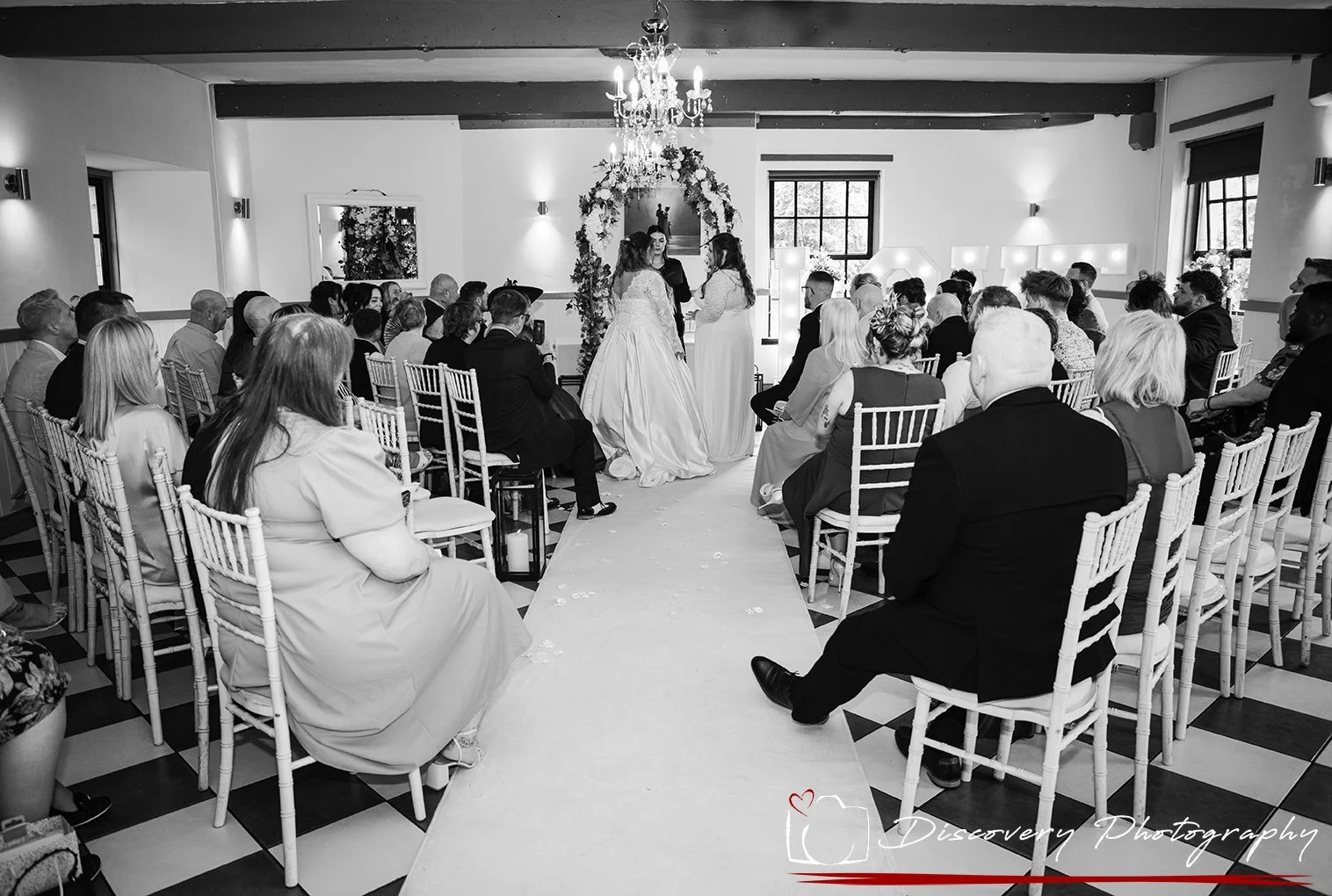
There’s More Happening During the Ceremony Than You Realise
The ceremony is one of my favourite parts of a wedding to photograph because there’s usually far more going on than just the obvious moments. Obviously I need the important photographs such as the entrance, rings, vows and first kiss, but while all that is happening I’m watching the couple and the people around them as well.
There might be a nervous glance before the ceremony starts, one of you squeezing the other’s hand, somebody trying not to laugh at the wrong moment or a parent becoming emotional in the seats behind you. Sometimes it’s a tiny reaction that lasts a fraction of a second, but it can end up being one of the photographs that says the most about what the day actually felt like.
That’s a big part of documentary wedding photography for me. I want to photograph the things you know happened, but I also want to give you photographs of some of the things you completely missed because you were understandably rather busy getting married at the time.
Choose Somebody You’re Comfortable Having at Your Wedding
After photographing weddings for the best part of two decades, I think choosing a photographer is about more than simply liking their photographs. Obviously you need to like the work, but you also need to be comfortable with the person creating it and with the way they work.
Some wedding photographers are much more traditional and will give couples a lot of direction throughout the day. Others, like me, work in a much more relaxed way and try to let the wedding happen naturally while stepping in when we need to. Neither approach is necessarily right or wrong, but one of them will probably suit you much better than the other.
That’s why I always think it’s worth actually talking to your photographer before booking. You’re inviting this person into a fairly personal day and potentially spending quite a few hours with them, so you should feel comfortable talking to them, asking questions and explaining what you want.
If you’re planning a same-sex wedding, that conversation shouldn’t feel any different. You should be able to explain how you’re planning your day without somebody trying to squeeze it into a traditional format that doesn’t fit.
A Wedding Is a Wedding
Every wedding I photograph is different because every couple is different. I’ve photographed big weddings, tiny weddings, church ceremonies, registry office weddings, hotel weddings and days where couples have kept nearly every tradition going, as well as weddings where they’ve cheerfully ignored most of them.
For me, photographing a same-sex wedding isn’t about suddenly changing the way I photograph people. It’s about understanding how that particular couple has planned their wedding and then photographing it in the same relaxed, natural way I photograph every other one.
I’m there to photograph the two of you, the people you’ve chosen to share the day with and all those moments that make your wedding different from everybody else’s. Some of them will be the photographs we plan together and plenty of them will be things none of us could possibly plan beforehand.
At the end of it all, you’re two people getting married because you love each other. That’s the important bit, and that’s the story I’m there to photograph.
To book or to check availability - Call | Text | WhatsApp - 07739121743 | Email