
How Many Hours of Wedding Photography Do You Really Need?
When couples first start looking at wedding photography packages, one of the first decisions they have to make is how long they actually want their photographer there. Three hours might cover the ceremony and a few photographs afterwards. Five hours sounds like plenty. Then there’s eight hours, ten hours or full-day wedding photography, and suddenly you’re wondering whether you really need somebody wandering around with a camera for quite that long.
It’s a perfectly reasonable question, particularly when you’re trying to keep control of a wedding budget. But after photographing weddings for almost two decades, I think there’s another question worth asking at the same time: which parts of your wedding story are you happy not to have photographs of?
That might sound like I’m trying to convince everyone they need full-day wedding photography, but I’m genuinely not. I offer shorter wedding photography packages myself because there are plenty of weddings where they make complete sense. A small registry office ceremony followed by a meal with close family and friends might only need a few hours of coverage. A later ceremony or a twilight wedding can be beautifully documented in five hours because the wedding itself is happening within a much shorter period.
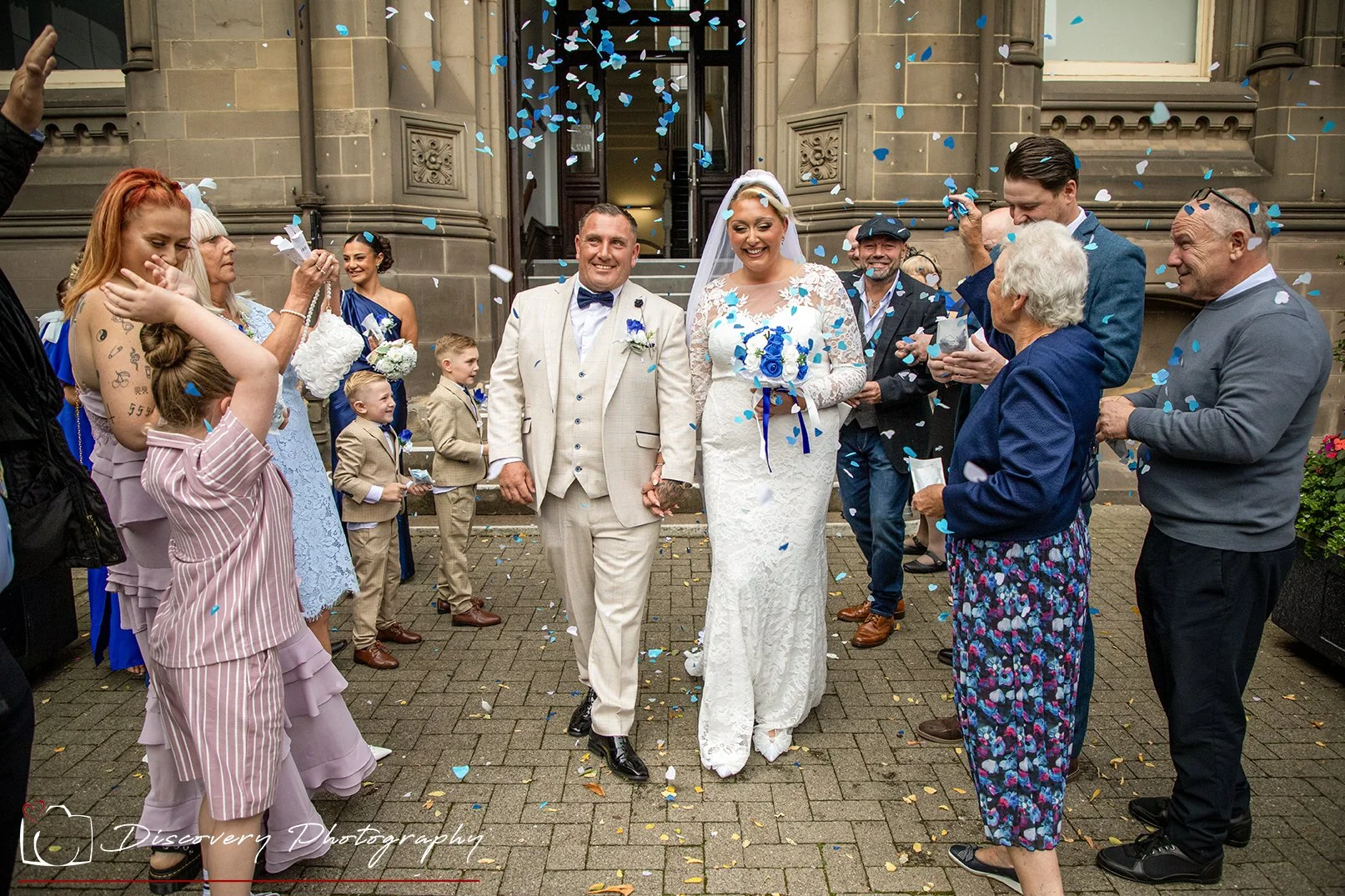
Where I think couples need to be careful is when they’re planning a traditional full wedding day but choose only a few hours of photography simply because it brings the price down. You might still get photographs of the ceremony, the confetti and some lovely portraits afterwards, but those photographs aren't necessarily going to tell the whole story of your wedding.
And that's the bit I think is easy to overlook when you're planning it.
Before the wedding has happened, you naturally think about the photographs you already know are coming. You can imagine walking down the aisle. You know there will be an exchange of rings and a first kiss. You know you'll probably want some family photographs and photographs of the two of you together. You might already have somewhere in mind for those portraits.
What you can't possibly imagine are the photographs nobody knows are coming.
That's where wedding photography gets interesting for me.
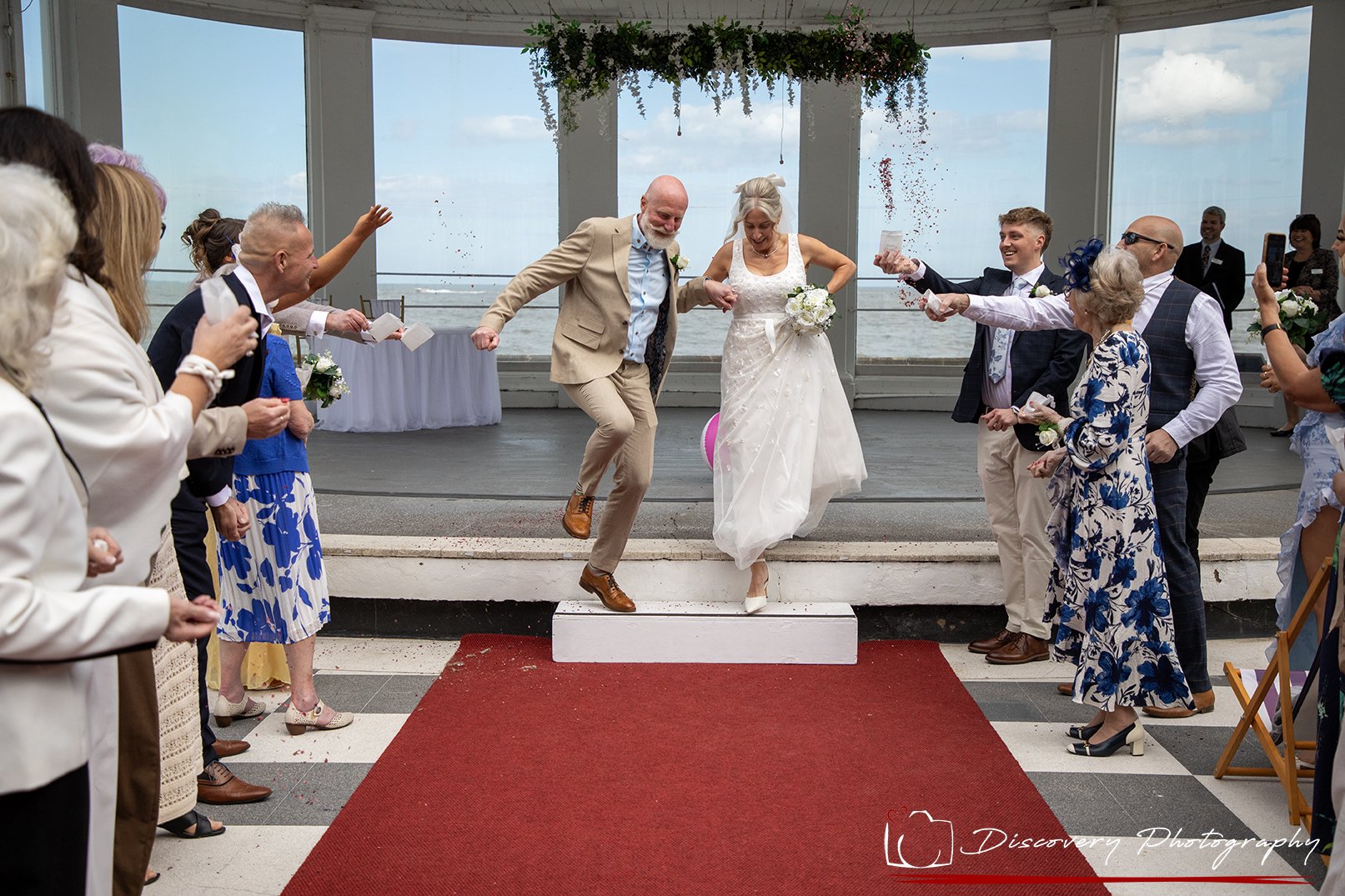
I've photographed hundreds of weddings over the years, and some of the photographs that eventually mean the most to people happen nowhere near the obvious parts of the day. They happen while somebody is getting ready, while guests are waiting for the ceremony to begin, during a conversation at the bar or late in the evening when everybody has finally forgotten there's a photographer in the room.
You don't know which photograph will eventually become one of the most important photographs from your wedding because, when you book your photographer, that moment hasn't happened yet.
That's one of the biggest reasons I love photographing a wedding as a complete story rather than simply collecting the expected photographs.
The morning of a wedding has an atmosphere that you don't really get at any other point in the day. There's excitement, obviously, but there's usually a bit of nervousness mixed into it as well. People who were completely relaxed an hour earlier suddenly realise they need to be dressed in twenty minutes. Someone can't find something they definitely put somewhere safe. Somebody else is trying to work out how a buttonhole attaches despite having attended twelve weddings previously.
Amongst all of that are moments that can become incredibly important.
A parent seeing their son or daughter ready for the first time doesn't happen again. Neither does that quiet minute when everything suddenly becomes real just before it's time to leave. These aren't photographs I can schedule into a timeline because I don't know exactly when they're going to happen. I just need to be there when they do.
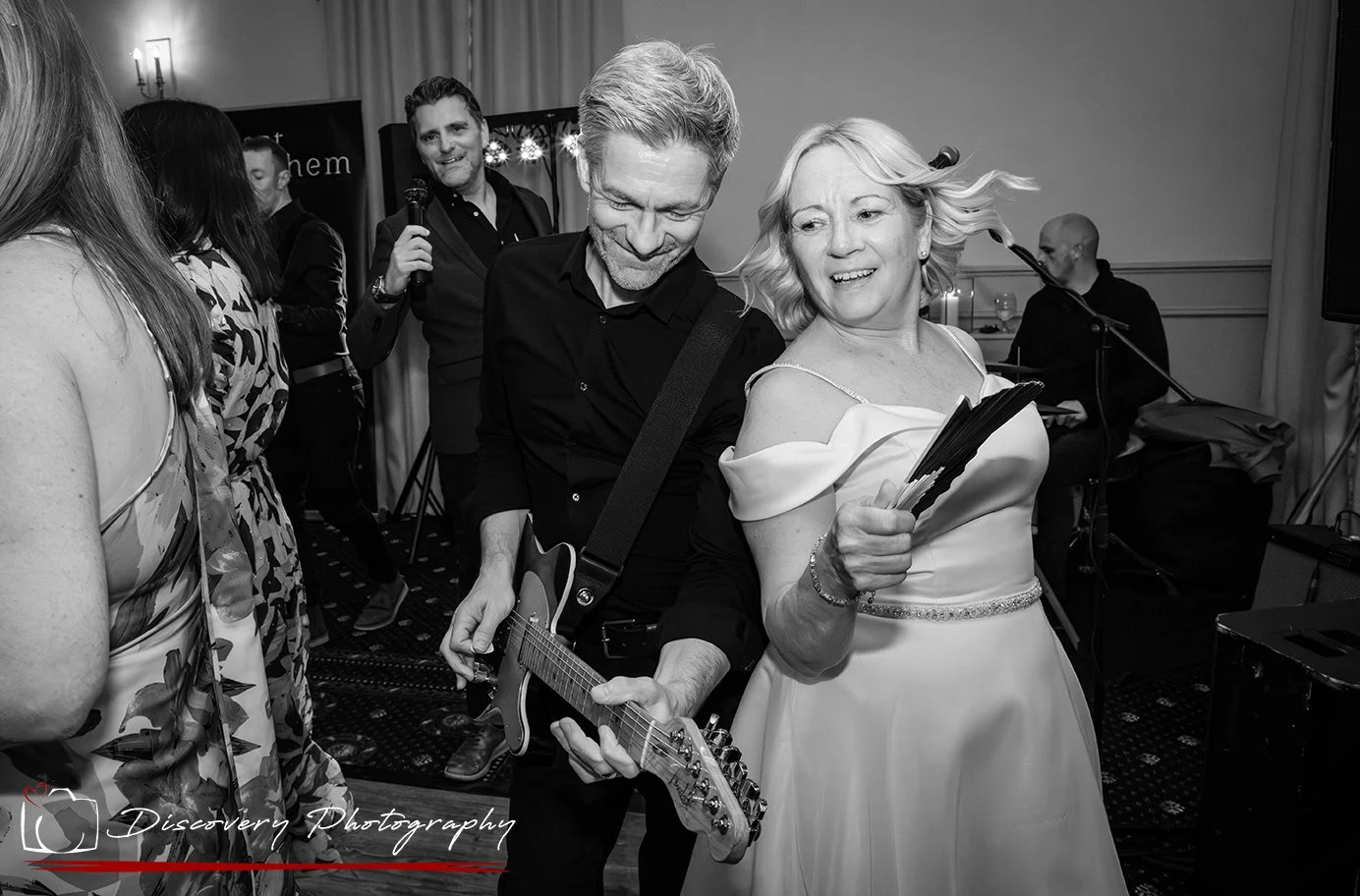
That's really what documentary wedding photography is about for me. It's not simply taking photographs without asking people to pose. It's being around for long enough that I can start noticing the relationships between people and anticipating what might happen next.
The ceremony is obviously a huge part of the story, but even then I'm not only watching the couple. I'm watching the people around them. There might be a proud parent trying desperately not to cry, a child who's completely lost interest in proceedings or two friends sharing a look because something has just been said that means something to them. The couple standing at the front often sees none of it.
Later, they do.
That's one of the lovely things about delivering a complete wedding gallery. I'm showing a couple their own wedding day, but I'm also showing them parts of it they never actually experienced themselves.
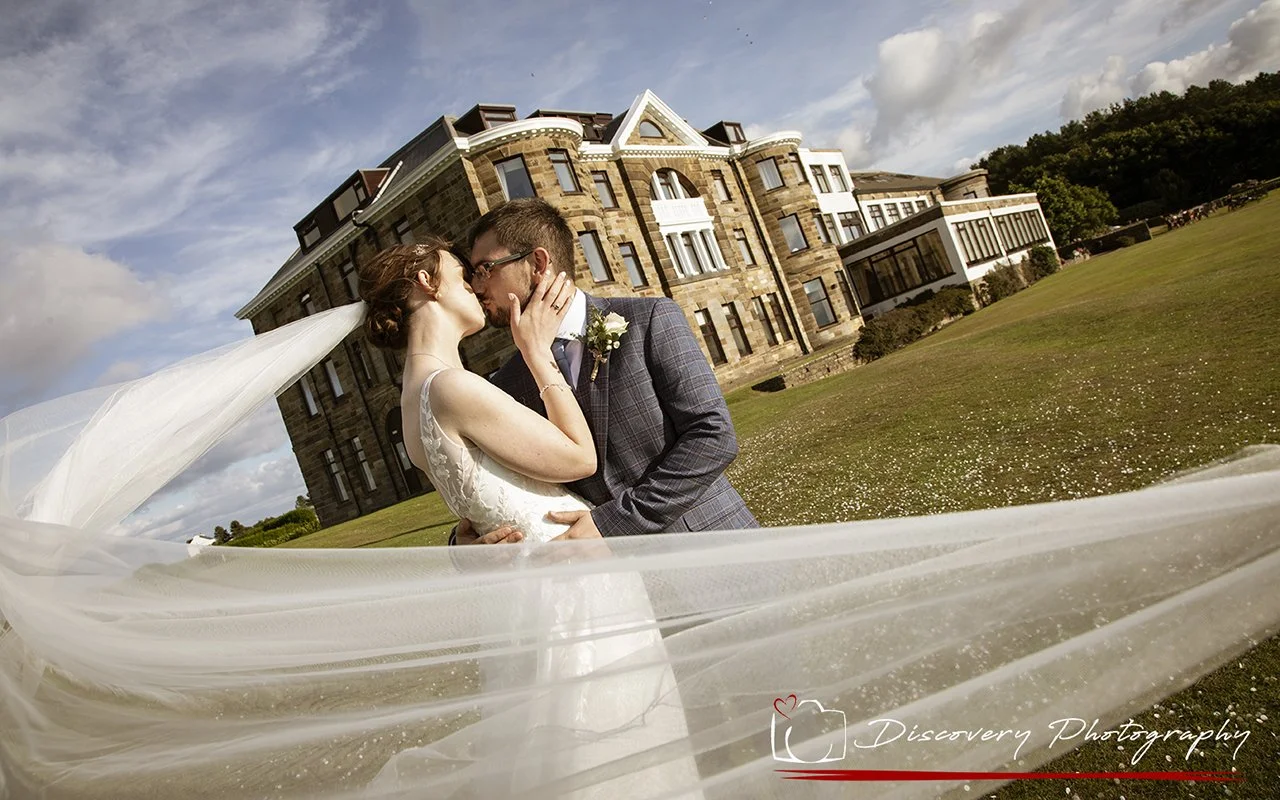
Once the ceremony is finished, the atmosphere changes again. The nerves disappear, congratulations begin and suddenly everybody can relax. That's when I might spend a little time on family photographs and take the couple away briefly for some portraits, but I've never believed that should mean disappearing for hours.
Your guests haven't travelled to your wedding to sit around wondering where you've gone while I conduct a fashion shoot in a field somewhere.

I'd much rather take ten or fifteen minutes when we have an opportunity, create some beautiful photographs and then let you get back to your wedding. If the light becomes gorgeous later in the day, we might disappear again for another few minutes. Working that way means the portraits become part of the wedding rather than the wedding becoming organised around the photographs.
It also means I'm around for everything else.
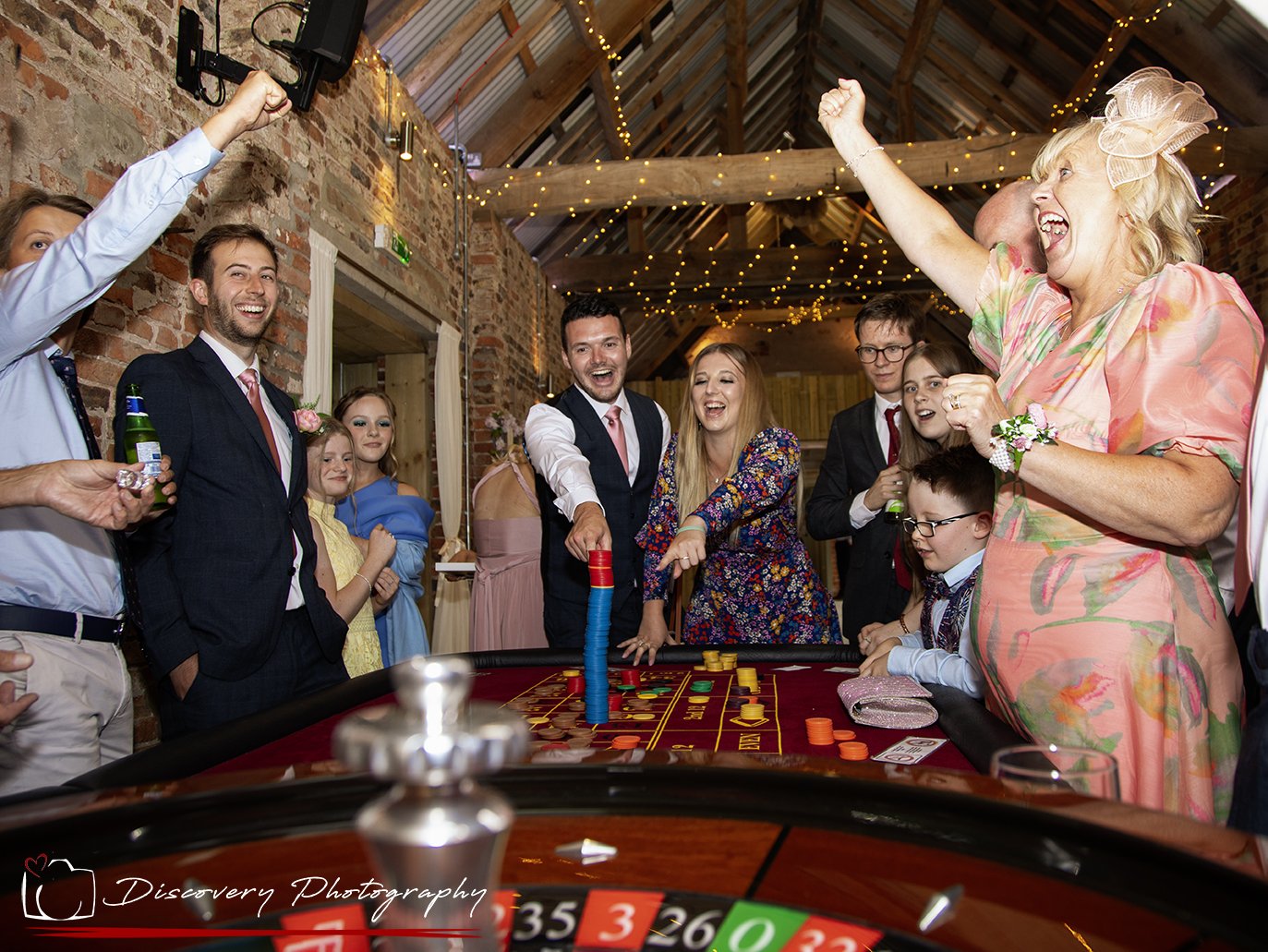
The drinks reception can be one of the richest parts of the day for natural wedding photography because there isn't usually much happening on the official schedule. And that's precisely why so much happens photographically. People who haven't seen one another for years are catching up, children are finding increasingly inventive ways of entertaining themselves, somebody has usually started laughing at something completely inappropriate and the couple finally has a chance to stand back and realise that they're actually married.
None of those things will appear on a wedding timeline.
They're still part of the wedding.
The same is true of the speeches. Of course I'm photographing whoever is standing up speaking, but some of my favourite speech photographs aren't of the speaker at all. They're the reactions around the room. A photograph of somebody you love absolutely howling with laughter can tell you far more about that moment than a photograph of the person holding the microphone.
Then the evening changes everything again.
By this point I've often been around the guests for hours. They've become used to me being there and, more importantly, they've largely stopped caring about the camera. Jackets disappear, ties loosen, shoes sometimes don't survive much longer and the personalities I've been quietly watching all day really start to come out.
That's when documentary wedding photography becomes enormous fun.
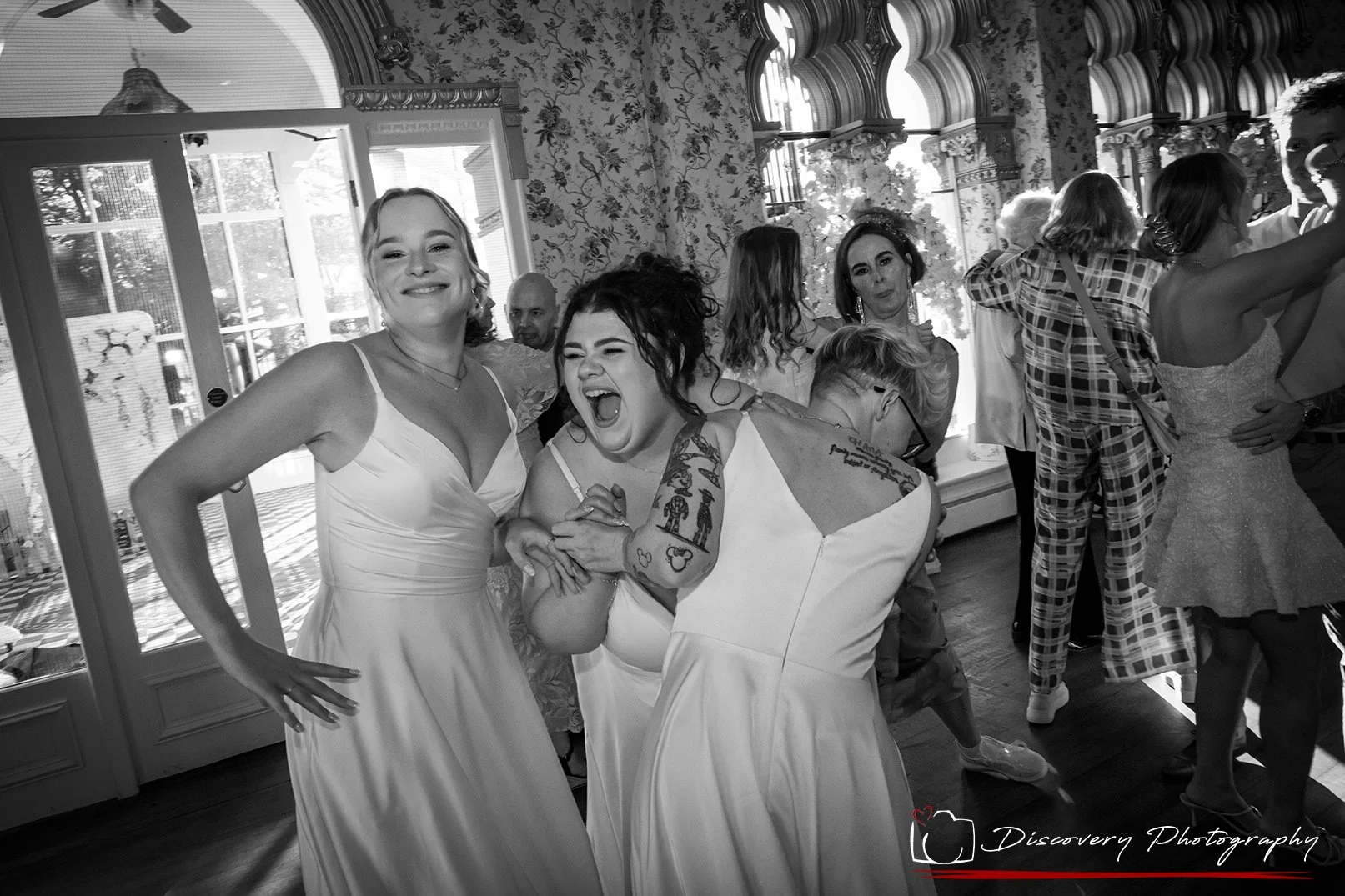
The first dance might be the scheduled event, but what happens afterwards is completely unpredictable. The people who insisted they wouldn't dance are suddenly in the middle of the floor. Somebody's grandad turns out to have considerably better moves than anyone expected. Children who should probably have fallen asleep hours ago somehow discover another three hours of energy.
It's messy, funny and completely real.
And then, every now and again, amongst all the chaos, something very quiet happens. Two people have a cuddle at the side of the room. A parent watches their newly married son or daughter dancing. A grandparent sits smiling at the madness happening in front of them.
You don't know those moments are going to happen.
Neither do I.
The difference is that I'm still there looking for them.
This is why I think couples should consider wedding photography coverage in terms of story rather than hours.

If you book me for three hours, I'll work just as hard during those three hours as I would during a full wedding day. I'll photograph everything I possibly can and create the strongest gallery I can from the time we're together. But I can't photograph something that happens two hours after I've gone home.
That sounds ridiculously obvious when you say it out loud, but when couples compare wedding photography packages it's very easy to concentrate on the price difference rather than the difference in what those packages actually preserve.
Imagine opening your wedding photographs in twenty years.
The obvious photographs will still matter. You'll want to see yourselves exchanging rings. You'll want the photograph of the two of you looking bloody fantastic together. You'll probably laugh at hairstyles, dresses, suits and whatever else has become horribly unfashionable by then.
But I suspect you'll also look for the people.
You'll notice how young your parents looked. You'll see children who are now adults. You'll find friends who moved away and relatives who sadly aren't around anymore. You'll notice expressions and interactions you completely missed on the wedding day itself.
That's when wedding photographs quietly change their purpose.
When they're first delivered, they're photographs of something that happened a few weeks ago. Years later, they're a record of your family at a particular moment in its history.
That's why I find it difficult to tell somebody exactly how many hours of wedding photography they "need". There isn't a magic number that works for everybody.
If you're having a short ceremony and an intimate celebration, shorter coverage could be absolutely perfect and I'd happily tell you that rather than trying to sell you hours you don't need. If, however, you're getting ready in the morning, having an afternoon ceremony, a drinks reception, wedding breakfast, speeches and an evening celebration, then I'd seriously consider whether you want your photography to tell that complete story.
Not because more hours automatically mean better photographs.
They don't.
They simply mean there are more chapters of the story I'm there to see.
I've been a wedding photographer across North Yorkshire and the North East for almost two decades now, and the longer I do this job, the less I think wedding photography is really about creating a collection of impressive individual pictures.
Of course I want those too. I still get excited when the light is incredible or when I know I've just captured a portrait that's going to look fantastic printed large on somebody's wall.
But a wedding gallery should be more than its best photograph.
It should have a beginning, a middle and an end. It should move between the big moments everybody remembers and the tiny ones almost nobody noticed. It should make you laugh at things you'd forgotten and occasionally show you something you didn't even know happened.
Most importantly, it should feel like your wedding, rather than simply proving that a wedding took place.
So when you're deciding how many hours of wedding photography you need, don't only look at the clock.
Think about the story you want to have when the day is over.
Because once everybody has gone home, the flowers have disappeared, the cake has somehow been eaten and you've finally recovered from the party, the photographs are what allow you to go back.
And personally, I think the bits between the obvious moments are far too important to forget.
Call | Text | WhatsApp - 07739121743 | Email